

Antimicrobial Gel and Cleanser for Routine Dialysis Exit-Site Care
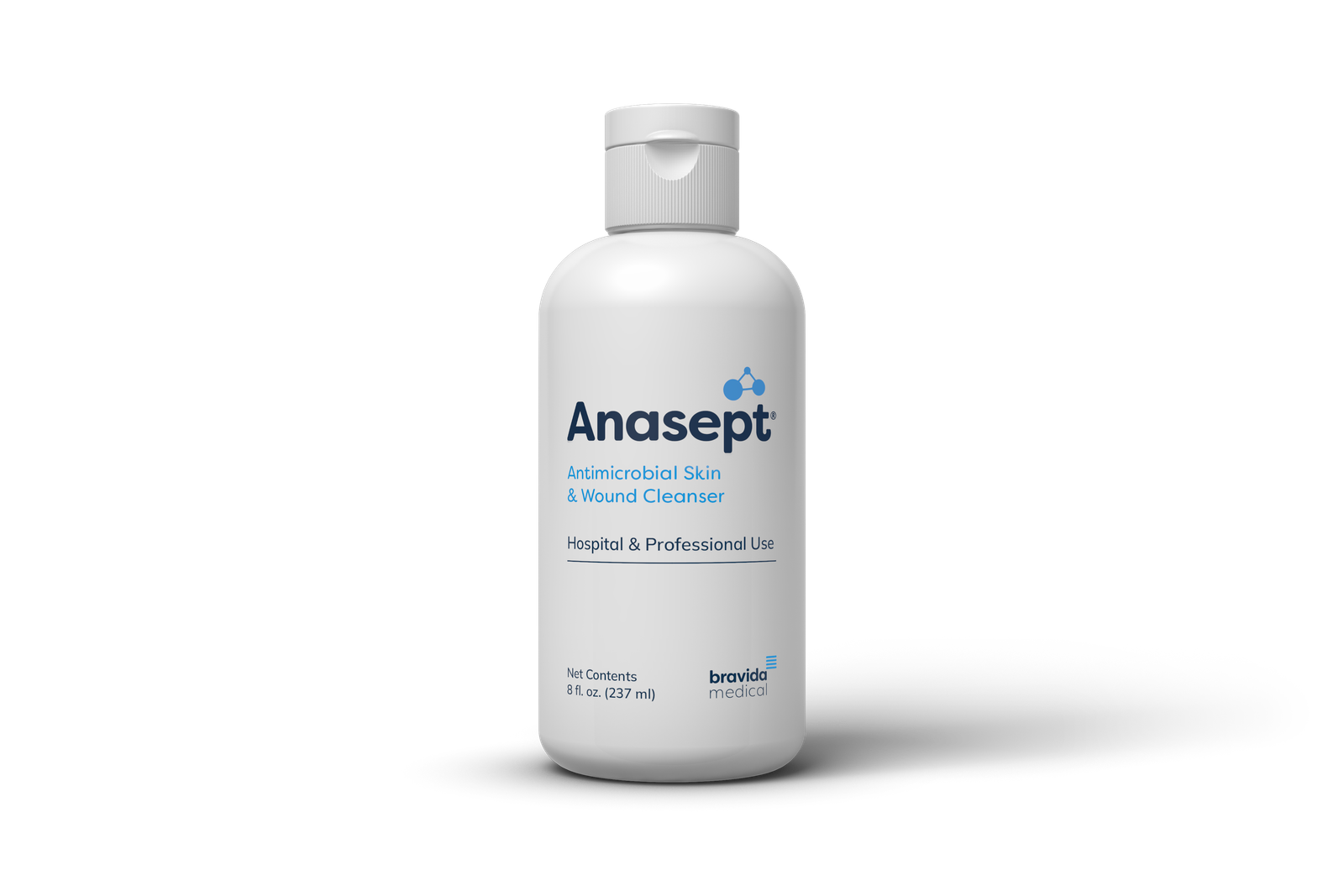
FDA-cleared modified sodium hypochlorite broad-spectrum antimicrobial with isotonic and non-cytotoxic properties.
#2
Leading cause of mortality in peritoneal dialysis
Clinical Challenge
Infection in Peritoneal Dialysis Patients
Infection is the second leading cause of mortality among patients undergoing peritoneal dialysis (PD), and inadequate exit-site cleansing remains one of the most significant contributing factors to these preventable complications.1,2
The Anasept® Solution
Effective Antimicrobial Protection Without Harming Healthy Tissue
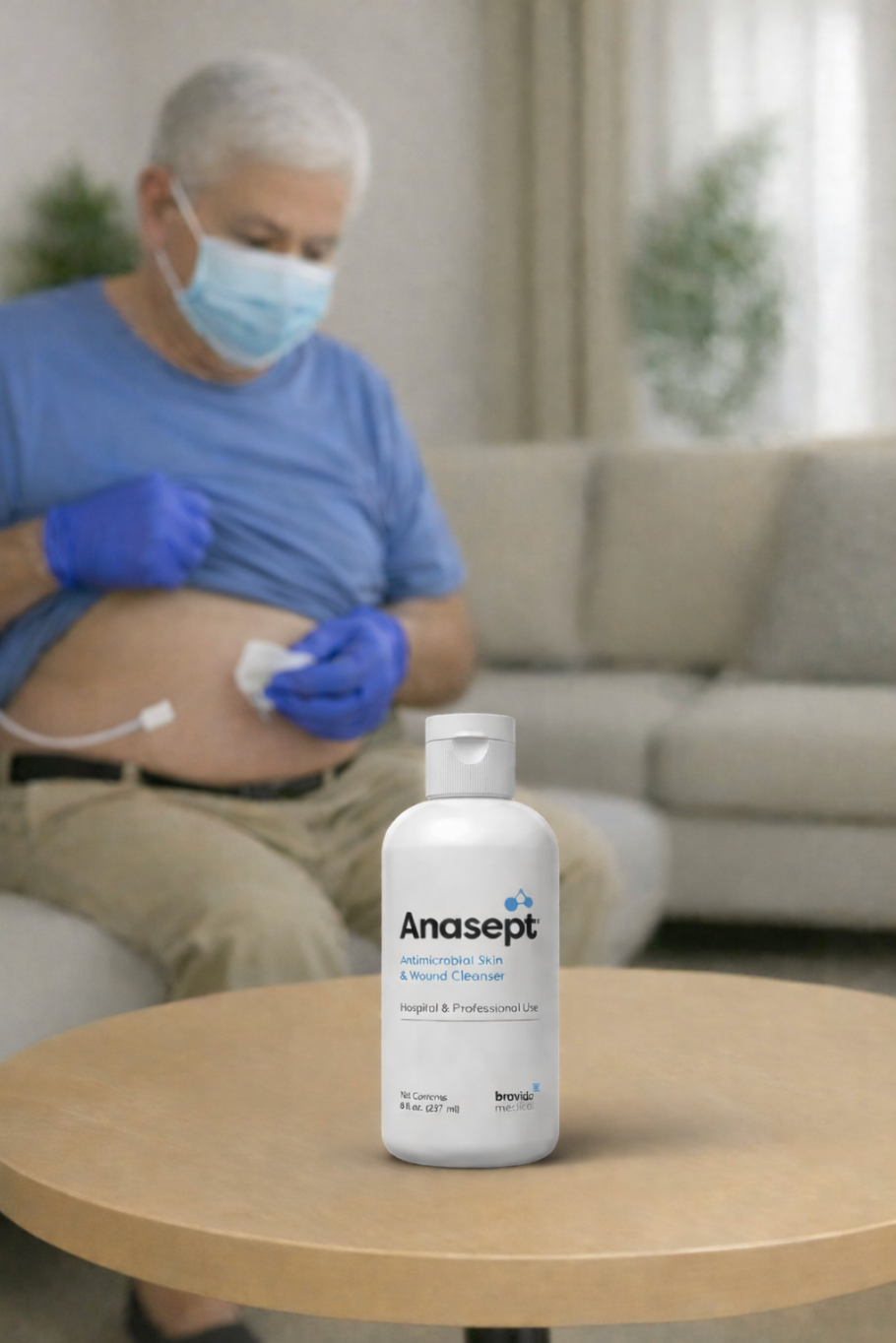
FDA-cleared 0.057% modified sodium hypochlorite broad-spectrum antimicrobial with isotonic and non-cytotoxic properties. Available as a cleanser safe for use on all wound types and a clear, amorphous hydrogel designed to maintain an optimal moist wound environment supporting healing by absorbing excess exudate or donating moisture for balanced hydration. Both formulations deliver effective antimicrobial protection without harming healthy tissue.
Broad-Spectrum
Full Product Range
Available in Multiple Formats for Every Clinical Setting
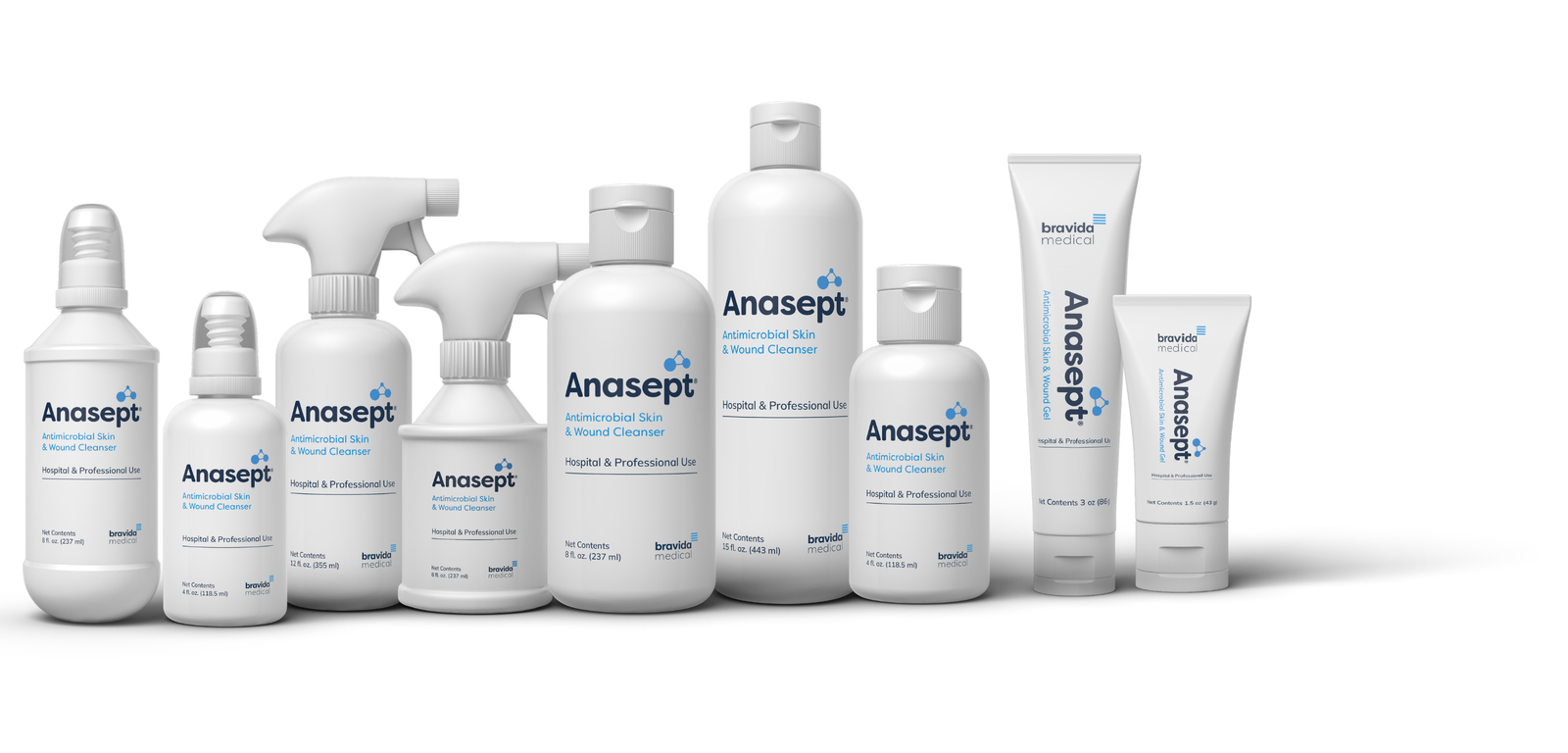
Cleansers, sprayers, and gels in a range of sizes for hospital, clinic, and home care use.
Antimicrobial Coverage
Anasept® Inhibits the Growth of:
Pathogenic Bacteria
- Acinetobacter baumannii
- Clostridium difficile
- Escherichia coli
- Proteus mirabilis
- Pseudomonas aeruginosa
- Serratia marcescens
- Staphylococcus aureus
Antibiotic-Resistant Strains
- Carbapenem-Resistant E. Coli (CRE)
- Methicillin-Resistant Staphylococcus aureus (MRSA)
- Vancomycin-Resistant Enterococcus faecalis (VRE)
Fungi
- Aspergillus niger
- Candida albicans
- Candida auris
Clinical Benefits
Cleanser and Gel
Shared Benefits
- Safe for patients: Non-cytotoxic, non-sensitizing, non-irritating, non-toxic
- Isotonic solution, intended for daily use
- Effectively eliminates organisms without requiring higher concentrations that may damage viable tissue3
- 2-year shelf life when stored at normal room temp (25°C) and can be used up to 14 weeks after opening
Cleanser-Specific
- No rinse solution, no soak times required
- Trigger spray aids in gentle mechanical debridement of slough and debris
Gel-Specific
- Supports responsible antimicrobial practices by reducing the need for extra topical products and helping minimize unnecessary exposure
- Provides up to 24-hour effectiveness, softens crusts, supports gentle autolytic debridement, and does not occlude the exit site3
A single center study published in 2021 demonstrated successful use of Anasept antimicrobial cleanser and gel reducing peritonitis and exit site infections cost-effectively, without the need for additional antibiotics meeting recommended Antibiotic Stewardship guidelines.3
Imam TH, Falcioni A. Nephrol News Issues. May 2021.
2021
Peer-Reviewed
Study
Clinical Evidence
Antimicrobial Effectiveness vs. Commonly Used Exit-Site Topical Anti-Infectives
| Microorganism Species | Anasept® Antimicrobial Skin & Wound Gel | Gentamicin 0.1% Cream | Mupirocin 2% Ointment |
|---|---|---|---|
| Pathogenic Bacteria | |||
| Acinetobacter baumannii | + | 0 | 0 |
| Carbapenem-Resistant E. Coli (CRE) | + | + | 0 |
| Clostridium difficile | + | 0 | 0 |
| Escherichia coli | + | + | +/- Variable |
| Methicillin-Resistant Staphylococcus aureus (MRSA) | + | +/- Variable | + |
| Proteus mirabilis | + | + | 0 |
| Pseudomonas aeruginosa | + | + | +/- Variable |
| Serratia marcescens | + | + | 0 |
| Staphylococcus aureus | + | +/- Variable | + |
| Vancomycin-Resistant Enterococcus faecalis (VRE) | + | 0 | 0 |
| Pathogenic Fungi | |||
| Aspergillus niger | + | 0 | 0 |
| Candida auris | + | 0 | 0 |
| Candida albicans | + | 0 | 0 |
| Sporicidal Activity | |||
| Clostridium difficile-spore | + | 0 | 0 |
| Virucidal Activity | |||
| HIV-Type 1 (Human Immunodeficiency Virus) | + | 0 | 0 |
Professional Indications for Use
Intended for Use Under Healthcare Professional Supervision
Anasept® cleanser and gel are intended for use under the supervision of a healthcare professional as part of routine daily exit-site hygiene to help prevent infection and support the ongoing health of the dialysis catheter site.
Additional indicated uses include a broad range of wounds, such as partial- and full-thickness pressure injuries (Stage I-IV), cuts and abrasions, surgical wounds or incisions, diabetic foot ulcers, first- and second-degree burns, venous stasis ulcers, graft and donor sites, as well as intact or irritated skin.
Ordering Information
Product Catalog
| Catalog No. / Product | Size | Case Qty |
|---|---|---|
| 4004C (Dispensing Cap) | 4 oz | 24 |
| 4008C (Dispensing Cap) | 8 oz | 12 |
| 4004SC (Finger Sprayer) | 4 oz | 12 |
| 4008SC (Finger Sprayer) | 8 oz | 12 |
| 4016C (Dispensing Cap) | 15 oz | 12 |
| 4008TC (Trigger Sprayer) | 8 oz | 12 |
| 4012SC (Trigger Sprayer) | 12 oz | 12 |
| Catalog No. / Product | Size | Case Qty |
|---|---|---|
| 5015G (Tube) | 1.5 oz | 12 |
| 5003G (Tube) | 3 oz | 12 |
Learn More About Anasept®
To learn more about Bravida Medical solutions, contact us today.
References
- Ponce D, Nitsch D, Ikizler TA. Strategies to Prevent Infections in Dialysis Patients. Semin Nephrol. 2023;43(5):151467.
- Karkar A. Infection control guidelines in hemodialysis facilities. Kidney Res Clin Pract. 2018;37(1):1-3.
- Imam TH, Falcioni A. Clinicians identify ways to prevent peritoneal dialysis catheter exit site infections. Nephrol News Issues. May 18, 2021.
- Anasept 510k K073547. Data on file. Bravida Medical.
- International Wound Infection Institute (IWII). Wound Infection in Clinical Practice: Principles of Best Practice. International Consensus Update. 2022.